
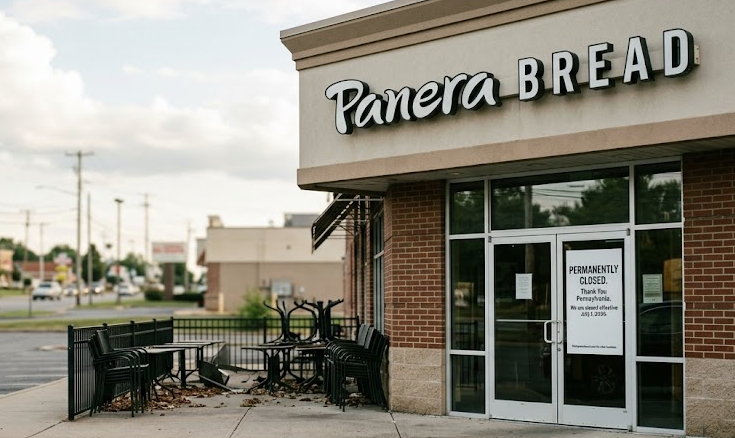
The restaurant industry in Pennsylvania is navigating a turbulent chapter as we head toward the mid-point of July 2026. A combination of soaring food costs, labor shortages, shifting consumer behaviors, and the expiration of pandemic-era leases is forcing several major casual-dining and fast-food giants to radically restructure their real estate.
For diners across the Commonwealth, this means saying goodbye to several familiar landmarks. A sweeping wave of planned corporate contractions is hitting Pennsylvania hardest this July, driven by corporate restructuring plans and Chapter 11 bankruptcy fallout.
Here is a breakdown of the major restaurant chains scaling back or shutting down locations in Pennsylvania.
1. Pizza Hut: The “Hut Forward” Contraction
As part of its massive “Hut Forward” turnaround plan orchestrated by parent company Yum! Brands, Pizza Hut is aggressively consolidating its retail footprint. The company’s targeted strategy to close roughly 250 underperforming, older dine-in locations nationwide is on track to wrap up right by July 2026.
Pennsylvania has been identified by retail analysts as one of the states hardest hit by this restructuring. The closures primarily target older brick-and-mortar formats that rely heavily on sit-down dining, as the brand pivots toward smaller, digital-forward, delivery-and-carryout-only hubs.
Spotted in PA: Shuttered locations have already begun popping up across the state, including the permanent closure of the Pizza Hut at 900 N. Hanover St. in Elizabethtown, as well as spots in New Cumberland and Canonsburg.
2. Red Lobster: Restructuring the Fleet
Following its highly publicized Chapter 11 bankruptcy filing, Red Lobster continues to systematically trim its underperforming fleet to stabilize its financial health. While the legacy seafood chain has introduced menu overhauls under new executive leadership, it has quietly continued surgical closures across the country.
Pennsylvania lost a prominent anchor just weeks ago, setting off a wave of summer market re-evaluations.
- The Impact: The corporate office officially confirmed the permanent closure of its highly trafficked location on 945 Norland Avenue in Chambersburg, PA.
- The Outlook: Industry insiders report that as local leases come up for renewal throughout June and July, additional underperforming, high-rent Pennsylvania locations are on the chopping block to keep the larger brand afloat.
3. Panera Bread: The “Panera Rise” Cleanout
Fast-casual giant Panera Bread is in the middle of its “Panera Rise” transformation strategy. While the chain is actively opening new modernized bakery-cafes, it is simultaneously purging legacy storefronts that don’t fit its digital, drive-thru-focused future.
Over two dozen Panera locations have been quietly stripped from the company’s store locator over the last year, and the corporate cleanup has landed squarely in PA.
- Major Loss: In a blow to local urban commuters and university students, Panera permanently closed its prominent location at 3401 Boulevard of the Allies in Pittsburgh.
- The Goal: Expect more older, walk-in-only suburban and city storefronts lacking drive-thrus to face sudden closures this summer as corporate doubles down on digital pick-up kiosks and drive-thru lanes.
Recent Casualties: The Smokey Bones Total Wipeout
While Pizza Hut and Panera are scaling back surgically, other chains didn’t make it to July. If you’ve driven past a local Smokey Bones Bar & Fire Grill recently, you likely saw a dark parking lot.
Following a Chapter 11 filing by parent company FAT Brands, the casual BBQ chain completely collapsed. In a sudden corporate-wide execution, all remaining Smokey Bones locations ceased operations permanently.
Pennsylvania lost six restaurants overnight in this total brand liquidation:
- Cranberry Township (1708 Route 228)
- Erie (2074 Interchange Rd.)
- Greensburg (100 Power Line Dr.)
- Reading (2723 N. Meridian Blvd.)
- Tarentum (1030 Pittsburgh Mills Blvd.)
- York (1301 Kenneth Rd.)
Why Is This Happening Now?
The theme connecting all of these closures isn’t a lack of hungry customers; it’s a systemic shift in modern restaurant economics. Private equity shifts, corporate bankruptcy restructurings, and skyrocketing commercial lease renewals have made large, multi-thousand-square-foot dining rooms a massive financial liability.
As Pennsylvania heads deeper into the summer, the local dining landscape will undeniably look smaller, sleeker, and far more reliant on an app than a host stand.
Follow Us!