
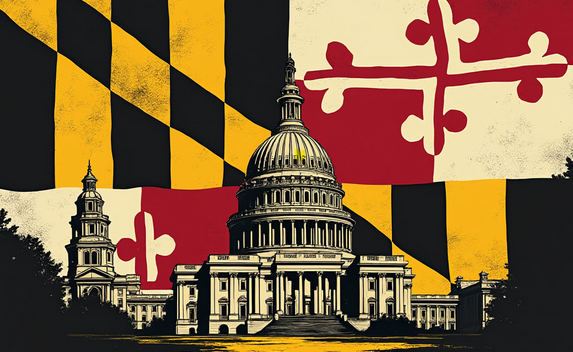
Maryland is set to ring in 2026 with a diverse array of new legislation aimed at improving public health, protecting workers, and securing generational wealth for families. While many bills passed during the 2025 General Assembly session took effect in the fall, several high-impact mandates were held specifically for the start of the New Year.
Here are six of the most significant Maryland laws taking effect on January 1, 2026.
1. Domestic Violence Training for Hair Stylists (HB 1547)
Maryland is tapping into the unique bond between beauty professionals and their clients to help combat domestic abuse.
- The Mandate: Barbers, cosmetologists, and hair stylists must now complete one hour of domestic violence awareness training as a condition for receiving or renewing their professional license.
- The Goal: Because clients often confide in their stylists, the state wants these professionals to be equipped to recognize the signs of abuse and safely guide victims toward support resources without putting themselves or the client at further risk.
2. The James “Jimmy” Malone Act: Free Firefighter Cancer Screenings
Named after the late career firefighter and state delegate, this landmark law (HB 459) addresses the high-risk chemical exposures first responders face daily.
- Zero-Cost Screenings: Maryland counties with self-insured health plans are now required to provide preventive cancer screenings to professional firefighters at no cost (no copays or deductibles).
- Early Detection: The law specifically covers advanced screenings for bladder, breast, lung, and thyroid cancers—illnesses that disproportionately affect firefighters.
3. Rideshare Transparency for Drivers (HB 861)
For Maryland’s thousands of gig workers, the “black box” of earnings is about to open.
- Detailed Summaries: Companies like Uber and Lyft are now required to provide drivers with a detailed weekly fare and earnings summary.
- The Breakdown: These reports must show the total amount collected from passengers versus the specific percentage that went to the driver, ensuring operators aren’t left guessing about their take-home pay.
4. Mandatory Heart Disease Testing (HB 666)
Early detection of heart disease is becoming more accessible for Marylanders thanks to a shift in insurance mandates.
- Coronary Calcium Scores: Insurance providers in the state must now cover coronary calcium score testing—a non-invasive CT scan that detects calcium deposits in the heart’s arteries.
- Life-Saving Potential: This test can predict the risk of a future heart attack, allowing patients to begin preventative treatments before a cardiac event occurs.
5. Emergency Pediatric Transfers (HB 1301)
In a medical emergency involving a child, every second counts. This new law removes administrative hurdles that could delay life-saving care.
- No Prior Authorization: Insurance companies can no longer require “prior authorization” before a child is transferred to a specialized pediatric hospital.
- The Impact: This ensures that critically ill or injured children can be moved immediately to facilities equipped with nonacute medical, rehabilitation, or palliative services without waiting for insurance red tape.
6. Heir Property Protections (HB 59)
To help preserve generational wealth, particularly in underserved communities, Maryland is introducing new protections for “heir property.”
- Tax Sale Prevention: The law establishes a registry for heir properties and modifies tax sale redemption rules to prevent family homes from being sold off when the primary homeowner passes away without a formal will.
- The Goal: This provides families living in inherited homes with a legal pathway to protect their property from predatory tax sales and keep homes within the family.
Honorable Mention: The “Bring Your Own Bag” Law (Montgomery County)
While not a statewide law, Maryland’s largest county is making a major environmental shift. Starting January 1st, Montgomery County will officially prohibit plastic carryout bags at most retail checkouts. Additionally, the fee for paper bags will increase to 10 cents per bag to encourage the use of reusable totes.
Would you like me to find the specific 2026 certification requirements for hair stylists or help you check if your health insurance plan is one of the state-regulated providers covered by the new heart scan law?
New Maryland laws take effect on January 1, 2026
This video provides a concise overview of the newest Maryland mandates, including the training requirements for beauty professionals and the expanded transparency for the state’s rideshare workforce.
Follow Us!