
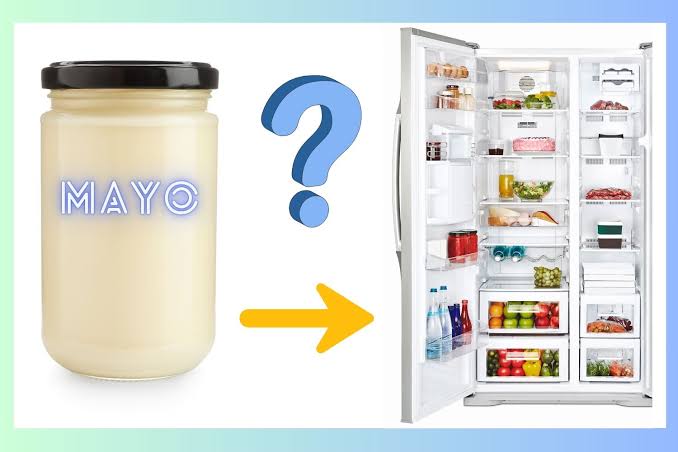
Mayonnaise is a versatile condiment, but because it contains eggs, many people are unsure about its shelf life. The length of time you can safely store mayonnaise in the refrigerator depends entirely on whether it is a commercially produced jar or a homemade batch.
Commercially Made Mayonnaise
Store-bought mayonnaise has a relatively long shelf life because it is manufactured with pasteurized eggs and added preservatives.
- Unopened: An unopened jar of commercial mayonnaise is shelf-stable and can last in a pantry for six to twelve months, depending on the brand and formulation.
- Opened: Once the seal is broken, you must store the jar in the refrigerator. Refrigerating commercially made mayonnaise will keep it safe to eat for about two months after opening.
- Temperature Control: Keep opened mayonnaise in the main compartment of the fridge to maintain a temperature of 40 °F or colder. Leaving mayonnaise out at room temperature accelerates oxidation and bacterial growth.
Homemade Mayonnaise
Because homemade mayonnaise lacks synthetic preservatives and is often made with raw, unpasteurized eggs, its shelf life is much shorter than that of store-bought mayonnaise.
- Storage Time: Homemade mayonnaise spoils quickly and should generally be kept in the fridge for three to seven days.
- USDA Recommendation: To err on the side of caution, the USDA recommends consuming homemade mayonnaise within four days of preparation.
- Storage Best Practices: Always store homemade mayonnaise in a clean, airtight container immediately after making it. It should never be left at room temperature for more than two hours to prevent bacterial contamination.
Signs Your Mayonnaise Has Gone Bad
Whether homemade or commercial, mayonnaise will eventually spoil, you should discard your mayo immediately if you notice any of the following signs:
- Color Changes: Fresh mayonnaise is off-white or light yellow. If it takes on a darker yellow or brownish tinge, it has spoiled.
- Texture Issues: Spoilage can cause the emulsion to break, making the mayonnaise separate into a watery liquid with an oily coating on top, or causing it to develop unusual clumps.
- Foul Odors: A distinctly sour, acidic, or rancid smell is a clear indicator that the mayonnaise is no longer safe to eat.
- Mold: Any fuzzy green, black, or white patches inside the jar mean the condiment must be thrown out immediately.
Follow Us!