
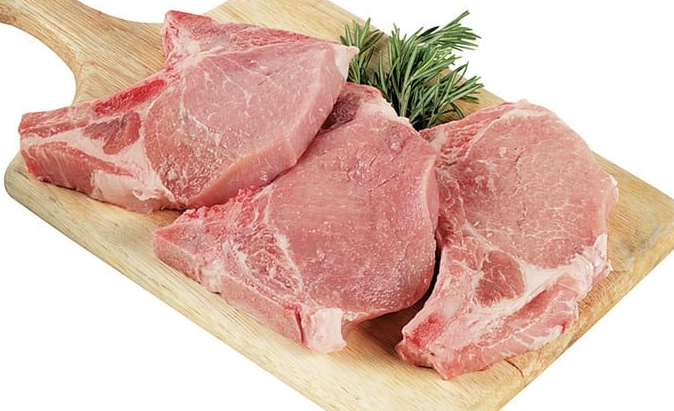
Pork is an incredibly versatile protein, starring in everything from breakfast sausages and bacon to elegant tenderloin roasts. However, like all fresh meat, it is highly perishable. Storing raw pork at the correct temperature for the appropriate amount of time is crucial for both flavor and food safety.
Refrigerator Storage Times
The USDA provides specific timelines for keeping raw and cooked pork in the refrigerator, which should always be maintained at 40 °F (4 °C) or colder:
- Fresh Cuts: Raw pork chops, roasts, and tenderloins can safely remain in the refrigerator for 3 to 5 days after purchase.
- Ground Pork and Sausage: Raw ground pork and raw pork sausages are more susceptible to bacterial growth and should be cooked or frozen within 1 to 2 days.
- Bacon: A package of raw bacon can be safely kept in the fridge for up to 7 days.
- Cooked Leftovers: Any cooked pork dishes, from pulled pork to roasted tenderloin, should be stored promptly and eaten within 3 to 4 days.
Freezing Pork
If you do not plan to cook the meat within its safe refrigeration window, the freezer is your best option. Keep your freezer at 0 °F or below to keep the meat safe indefinitely, though quality will eventually degrade.
- Larger, whole cuts like pork roasts and chops will maintain their best quality for 4 to 12 months in the freezer.
- Raw ground pork and uncooked sausages should ideally be used within 1 to 2 months to prevent freezer burn and flavor loss.
- Cooked pork leftovers maintain their best taste and texture in the freezer for 2 to 3 months.
Signs Your Pork Has Gone Bad
Regardless of the printed “sell-by” date, you should always perform a sensory check before cooking raw pork. Discard the meat immediately if you notice:
- A foul odor: Fresh pork is nearly odorless. If it emits a sour, ammonia-like, or sulfurous smell, it has spoiled.
- A slimy texture: While raw meat is naturally moist, it should not feel excessively sticky, tacky, or slimy to the touch.
- Color changes: Fresh pork should have a pinkish-red color with white fat. If the meat has turned a dull grayish-brown or developed a greenish tinge, it is no longer safe to consume.
Follow Us!