
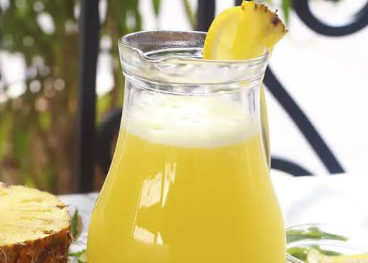
Pineapple juice offers a bright, tropical sweetness that is perfect for breakfast or mixing into cocktails. However, its high concentration of natural fruit sugars and enzymes means it can spoil or ferment rapidly if not handled correctly. How long your juice stays fresh depends heavily on how it was processed.
Refrigerator Storage Times
To determine how long your pineapple juice is safe to drink, first identify how it was packaged:
- Store-Bought (Cartons/Bottles): Commercially pasteurized pineapple juice—whether purchased from the refrigerated section or a shelf-stable aisle—will generally last 7 to 10 days in the refrigerator once it has been opened.
- Canned Pineapple Juice: Once you open a metal can of juice, it should be consumed within 5 to 7 days.
- Freshly Squeezed: If you run fresh pineapple through a juicer at home, the resulting liquid is completely unpasteurized. It has a very short shelf life and should be consumed within 2 to 3 days of refrigeration.
Storage Best Practices
To maximize the life of your pineapple juice and maintain its vibrant flavor, follow these guidelines:
- Transfer from Cans: Never store leftover juice in an open metal can. The pineapple’s high acidity will interact with the metal over time, altering the juice’s taste and potentially leeching metals into your drink. Always transfer it to an airtight glass jar or plastic container.
- Maintain the Cold Chain: Keep your refrigerator set to 40 °F (4 °C) or colder. Store the juice on the interior shelves, not in the refrigerator door, to ensure a consistently cold temperature.
- Seal Tightly: Oxygen is the enemy of fresh juice. Ensure the cap or lid is tightly secured after pouring a glass to slow down oxidation and prevent the juice from absorbing odors from other foods in your fridge.
Can You Freeze Pineapple Juice?
If you have leftover juice that you cannot finish before it goes bad, it freezes exceptionally well.
- Pineapple juice can be safely stored in the freezer for 8 to 12 months.
- Because the water in the juice will expand as it freezes, leave at least an inch of empty headspace at the top of your freezer-safe container to prevent it from cracking.
- For easy use in smoothies or cocktails, consider pouring the juice into an ice cube tray. Once frozen, transfer the juice cubes to a resealable freezer bag.
Signs Your Pineapple Juice Has Gone Bad
Because of its high sugar content, pineapple juice is prone to fermentation by naturally occurring yeasts. Discard the juice immediately if you notice:
- A sour or alcoholic odor: If the juice smells like vinegar, beer, or alcohol, it has fermented and is no longer safe to drink.
- Fizzing or carbonation: If your still juice suddenly tastes bubbly, fizzes when poured, or causes the container to swell, bacteria and yeast are actively consuming the sugars.
- Visible mold: Any fuzzy growth or unusual discoloration means the entire container must be thrown away.
 About Jason_Aversano
Follow Us!