
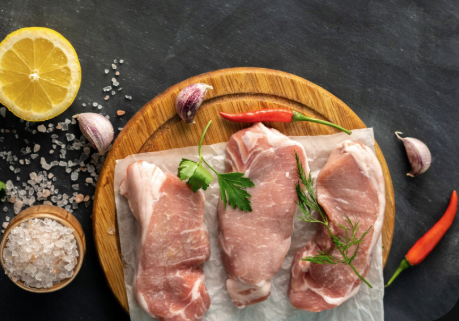
Proper storage of raw meat is essential for both food safety and ensuring the best flavor for your meals. While the guidelines vary slightly depending on the cut and type of meat, knowing the exact refrigeration window can help prevent foodborne illness.
Refrigerator Storage Times
The USDA provides specific timelines for keeping raw meat in the refrigerator (which should always be set to 40 °F or below):
- Ground Meats and Organ Meats: Raw ground beef, turkey, veal, pork, and lamb, as well as variety meats (like liver or kidneys), have the shortest shelf life and should be cooked or frozen within 1 to 2 days of purchase.
- Whole Cuts: Fresh, uncooked cuts of beef, veal, lamb, and pork—including steaks, chops, and roasts—can safely remain in the refrigerator for 3 to 5 days.
- Bacon and Sausage: Raw pork or beef sausage should be used within 1 to 2 days, while a package of raw bacon can be kept for up to 7 days.
Freezing Raw Meat
If you do not plan to cook the meat within its safe refrigeration window, freezing it is the best method of preservation.
- Keep your freezer at 0 °F or below. At this temperature, meat is safe to eat indefinitely, though its quality and taste will eventually degrade.
- For the best quality, raw ground meats should be used within 3 to 4 months of freezing.
- Larger cuts like steaks, chops, and roasts will maintain their best quality for 4 to 12 months in the freezer.
Signs It Has Gone Bad
Regardless of the storage timelines, you should always perform a sensory check before cooking raw meat. Discard the meat immediately if you notice:
- An unpleasant, sour, or ammonia-like odor.
- A texture that is excessively sticky, tacky, or slimy to the touch.
- A significant color change, such as beef turning from a vibrant red to a dull, grayish-brown.
Follow Us!