
The Stolen Yeast That Changed American Beer: Philadelphia’s 1840 Brewing Revolution
Philadelphia’s deep bond with German brewing traditions stretches back to October 1683, when Franz Daniel Pastorius led a group of German Quaker and Mennonite families to establish the settlement of Germantown. Along with their weaving, farming, and trades, these early settlers brought a heritage steeped in centuries-old European brewing craft, laying the earliest groundwork for the city’s tavern culture.
Despite these deep German roots, the American beer landscape remained overwhelmingly English for the next century and a half. Commercial brewing relied almost entirely on top-fermenting yeast strains that thrived at room temperature. This English style of brewing yielded cloudy, robust, and heavy ales and porters. While hearty in the winter, these top-fermented ales were notoriously unstable and soured quickly in the sweltering heat of the Mid-Atlantic summer.
The Winter of 1840: A Bavarian Arrival
Everything changed in the winter of 1840. The heavy, warm ales that dominated American pubs were about to be rendered obsolete by a single arrival at the Philadelphia port.
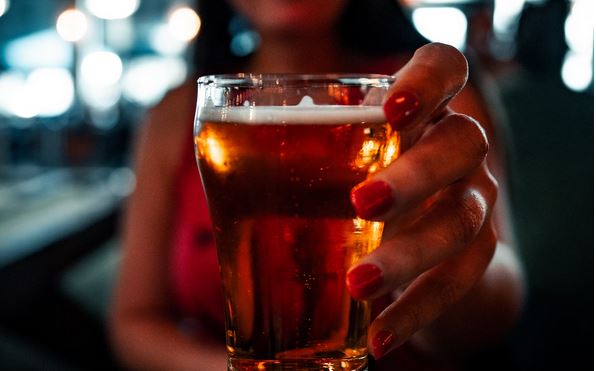
A Bavarian immigrant and former ship brewer named John Wagner stepped ashore with a precious possession tucked securely inside his luggage: a small pocket of authentic, bottom-fermenting lager yeast from back home. Unlike the temperamental English yeast, this Bavarian strain fermented slowly at cold temperatures, producing a crisp, clean, and highly refreshing beverage that could be stored—or lagered—for months.
Wagner set up a modest brewing operation in the rear of his small tavern on St. John Street (known today as American Street) in the Northern Liberties neighborhood. Using that carefully imported Bavarian yeast strain, Wagner brewed the very first batch of authentic lager on American soil. This singular event shifted the epicenter of American brewing to Philadelphia and birthed an industry that would eventually produce millions of barrels annually.
To learn more about how this monumental shift in brewing technology paved the way for the city’s massive seasonal harvest celebrations, explore The Historic Roots of Philadelphia’s Oktoberfest Tradition.
Taste the Legacy This Autumn
The crisp, bottom-fermented lagers that John Wagner introduced to Northern Liberties in 1840 are the exact style of beer celebrated around the world every autumn. Today, Philadelphia honors this brewing milestone with massive block parties, flowing kegs of seasonal Märzen, and traditional Bavarian street food.
If you are looking to raise a glass to the city’s brewing ancestors this season, you can find the complete schedule of beer garden pop-ups, tap takeovers, and neighborhood festivals by checking out our guide to Philadelphia Oktoberfest Events.
 About Alexis_Aarons
Follow Us!