
As Delaware kicks off 2026, the “First State” is experiencing a series of wildlife encounters that are anything but traditional. While Delaware is often thought of for its coastal charm and quiet farmlands, state wildlife officials are currently tracking a surge in “brazen” predator activity that has placed both northern suburbs and southern beach towns on high alert.
From a rare black bear roaming the Wilmington suburbs just last week to the steady expansion of coyotes into residential parks, the boundary between Delaware’s natural areas and its bustling communities is shifting. Here are the five most dangerous animals you need to watch for in Delaware this year.
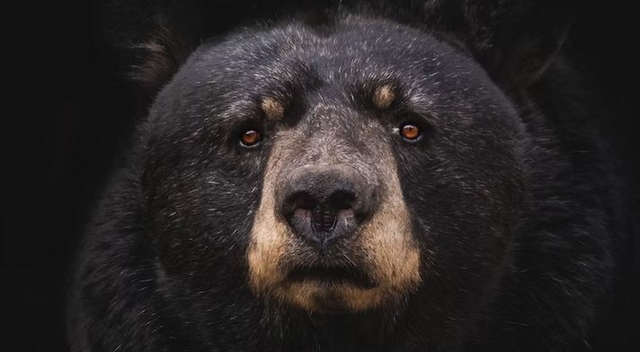
1. The “Wandering” Black Bear
For over a century, black bears were considered extinct in Delaware. However, as of early January 2026, they are officially back and making “brazen” headlines.
- The 2026 Alert: On January 9, 2026, the Department of Natural Resources and Environmental Control (DNREC) reopened Alapocas Run State Park in Wilmington after a week-long closure triggered by a large black bear sighting. The bear had been documented moving through residential neighborhoods in northern New Castle County, showing little fear of the densely populated corridor.
- The Danger: Because Delaware does not have a resident breeding population, visiting bears are often juvenile males looking for territory. These “teenage” bears are prone to exploring backyards, raiding bird feeders, and investigating porches, which can lead to dangerous close-range encounters.
- Safety Tip: If you see a bear in Delaware, do not approach it to take photos. Secure your trash and remove bird feeders immediately. If encountered, make loud noises and back away slowly; never run.
2. The Eastern Copperhead
Delaware is unique in the region because it is home to only one species of venomous snake: the Eastern Copperhead. While they are reclusive, 2026 has seen a rise in “brazen” encounters as suburban sprawl moves into their remaining habitats.
- The Range: Copperheads are primarily found in two specific areas: the rocky terrain near Wilmington and the wooded sections of southern Sussex County.
- The Danger: Their camouflage is near-perfect, often resembling a pile of dead leaves. Most bites occur when homeowners accidentally step on them or disturb them while gardening. While their venom is rarely fatal to healthy adults, it causes severe tissue damage and extreme pain.
- Safety Tip: Look for the distinctive “hourglass” or “Hershey Kiss” pattern on their sides. If you are bitten, stay calm to keep your heart rate down and seek immediate medical attention at the nearest emergency room.
3. The Eastern Coyote
Once non-existent in the state, coyotes have now been confirmed in all three Delaware counties. In early 2026, sightings in Newark and Middletown have shifted from the outskirts of town directly into suburban parks.
- The “Brazen” Shift: Following a confirmed coyote attack on a hiker just across the border in Chester County, PA, in late December 2025, Delaware officials are warning residents that local coyotes are becoming increasingly “food-conditioned.” They are no longer sticking to nocturnal hunting and are frequently spotted during the day.
- The Danger: While they primarily target small game, they pose a significant threat to small pets. A coyote can easily scale a four-foot fence to reach a dog or cat left unattended in a backyard.
- Safety Tip: Practice “hazing”—if you see a coyote, shout, wave your arms, and use an air horn to re-establish its fear of humans. Never leave pet food outside.
4. The Black Widow Spider
While Delaware is home to hundreds of spider species, the Black Widow is the only one with medically significant venom that is native to the state.
- The 2026 Threat: As Delawareans clean out sheds and garages this winter, the risk of encounter is at its peak. Black Widows are “brazenly” claiming dark, undisturbed corners of human structures, including woodpiles and crawlspaces.
- The Danger: Identifiable by the red hourglass on its shiny black abdomen, the Black Widow possesses a neurotoxic venom 15 times stronger than a rattlesnake’s. A bite causes severe muscle cramping, nausea, and in some cases, respiratory distress.
- Safety Tip: Always wear heavy gloves when moving old boxes or firewood. If bitten, try to safely capture the spider for identification and head to an urgent care center immediately.
5. The “Silent Killer”: The Deer Tick
By the numbers, no animal on this list causes more long-term health damage to Delawareans than the Deer Tick.
- The Crisis: Delaware consistently ranks as one of the states with the highest rates of Lyme Disease per capita in the nation. With 2026 starting with unseasonably mild temperatures, ticks are remaining active through the winter months.
- The Danger: Beyond Lyme, these ticks are increasingly carrying Anaplasmosis and the Babesiosis parasite. Because they are the size of a poppy seed, many victims never even realize they have been bitten.
- Safety Tip: Ticks are not just in the deep woods; they thrive in the “leaf litter” at the edge of your lawn. Perform a meticulous “tick check” on yourself, your children, and your pets after every outdoor excursion.
Conclusion: Staying Safe in the First State
Delaware’s wild side is becoming more visible as predators adapt to our suburban landscapes. The “brazen” bear activity in Wilmington and the persistent threat of coyotes are reminders that even in the second-smallest state, nature is powerful and unpredictable. Stay alert, secure your attractants, and respect the boundaries of the neighbors that share our coastal home.
Follow Us!