
When you think of dangerous wildlife, you might picture the grizzly bears of Montana or the gators of Florida. Michigan, with its serene lakes and dense forests, often feels deceptively safe.
But the Great Lakes State is home to a specific set of creatures that demand serious respect. While attacks are rare, encounters are becoming more frequent as suburbs expand into the wild. From the Upper Peninsula’s apex predators to the silent killer hiding in your backyard, here are the five most dangerous wild animals in Michigan.
1. The White-Tailed Deer (The Statistical #1 Killer)
It might look like Bambi, but the White-Tailed Deer is statistically the most dangerous animal in Michigan by a landslide.
- The Danger: It isn’t their antlers; it’s their unpredictability on the road. Michigan consistently ranks in the top tier of states for deer-vehicle collisions. According to state police data, there are over 50,000 deer crashes annually, resulting in roughly a dozen human fatalities and hundreds of severe injuries every year.
- Where: Every county, but specifically rural roads at dusk and dawn during the “Rut” (mating season) in October and November.
2. The Eastern Massasauga Rattlesnake
Many Michiganders go their whole lives without realizing the state has a venomous snake.
- The Danger: The Eastern Massasauga is Michigan’s only venomous viper. While it is shy and reclusive (often called the “Swamp Rattler”), its bite delivers a cytotoxic venom that destroys tissue and disrupts blood clotting. While fatalities are incredibly rare thanks to modern antivenom, a bite is a medical emergency that can cost you a finger or a limb if untreated.
- Where: Wetlands and swampy areas, particularly in the Lower Peninsula.
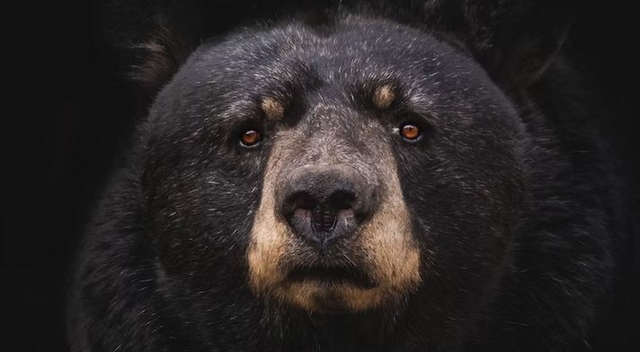
3. The Black Bear
Michigan’s bear population is booming, with over 12,000 bears now roaming the state—and they are moving south.
- The Danger: Black bears are generally skittish, but they are powerful opportunists. The danger spikes when they become habituated to human food (trash cans, bird feeders) or when a mother feels her cubs are threatened. A sow protecting cubs is one of the most ferocious forces in the Michigan woods.
- Where: Primarily the Upper Peninsula (UP) and Northern Lower Peninsula, but sightings are increasingly common as far south as Grand Rapids.
4. The Moose
If you spot a moose in the Upper Peninsula, do not approach it for a selfie.
- The Danger: A bull moose can weigh 1,500 pounds and stands 6 feet tall at the shoulder. Unlike deer, which flee, moose are known to stand their ground and charge when annoyed. They are essentially living tanks. A collision with a moose on a highway is often fatal for the driver because the animal’s massive body crushes the car’s windshield and roof.
- Where: Concentrated in the Western Upper Peninsula (Marquette, Baraga, and Iron counties) and Isle Royale.
5. The Gray Wolf
After being nearly wiped out, the wolf has made a legendary comeback in Michigan.
- The Danger: There are nearly 700 wolves in the Upper Peninsula. While they rarely attack humans (preferring to hunt deer and beaver), they are apex predators that pose a significant threat to domestic pets and livestock. Hikers with dogs need to be hyper-aware, as wolves view domestic dogs as territorial interlopers and will attack them swiftly.
- Where: Strictly the Upper Peninsula and Isle Royale.
Dishonorable Mention: The Blacklegged Tick
While not a “beast,” this arachnid sends more Michiganders to the hospital than bears and wolves combined. The carrier of Lyme Disease, the tick is a silent, creeping danger in tall grasses from Berrien County to the Mackinac Bridge.
Have you ever encountered a Massasauga Rattler or a Moose in the wild? Tell us your story in the comments.
Follow Us!