
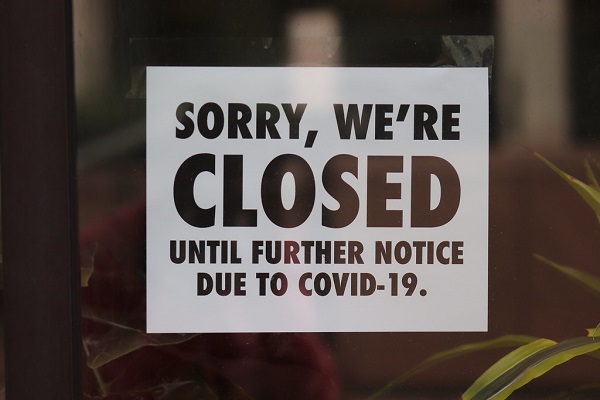
For decades, Golden Corral has served as a cornerstone of American casual dining, recognized for its sprawling hot bars, carved meats, and signature yeast rolls. Throughout 2026, however, a series of permanent shutdowns across the country has caught the attention of buffet enthusiasts and industry watchers alike.
From the Midwest to the Sun Belt, several long-running franchises have closed their doors. While these developments have sparked broader questions about the buffet sector, detailed reporting on the Golden Corral closures 2026 reveals that the shutdowns stem from hyper-local lease expirations, real estate costs, and labor pressures rather than a nationwide corporate wind-down.
The 2026 Shutdowns: A Breakdown by Market
The recent wave of closures predominantly impacted legacy locations that had operated continuously for 20 to 35 years:
- Brownsville, Texas: One of the most notable departures occurred in the Rio Grande Valley, where a 35-year dining staple shuttered following substantial landlord rent increases along Expressway 77/83. Read more about the Brownsville Golden Corral closing.
- Davenport, Iowa: The Elmore Avenue outpost quietly ceased operations in early July after serving the Quad Cities community for nearly three decades. Check out details on the Davenport Golden Corral closing.
- Boise, Idaho: Perched on Emerald Street near Boise Towne Square, this Treasure Valley institution powered down its buffet warmers after a quarter of a century. Explore the Boise Golden Corral closing.
- Boynton Beach, Florida: Palm Beach County regulars saw their local buffet close after the natural expiration of its original 20-year commercial lease agreement. See reporting on the Boynton Beach Golden Corral closing.
- Alton, Illinois: A dual challenge of steep operating expenses and persistent local labor shortages forced management on Homer M. Adams Parkway to shut down after 27 years. Review the Alton Golden Corral closing.
- Canton, Ohio: Operating in Jackson Township near Belden Village since the early 2000s, this 24-year-old staple permanently wrapped up service in February. Learn about the Canton Golden Corral closing.
The Factors Behind the Trend
Operating an all-you-can-eat concept involves distinct operational dynamics compared to standard sit-down or fast-casual chains. Several key variables drove these specific closures:
- Expiring 20- to 30-Year Leases: Many Golden Corral locations founded in the 1990s and early 2000s operated on long-term master leases. Upon reaching the end of these primary terms, franchisees faced modern market valuations and steep rate hikes that disrupted store-level unit economics.
- High Labor Density Requirements: Keeping dozens of hot wells, salad bars, carving blocks, and dessert stations stocked and sanitized requires substantial front- and back-of-house headcount throughout the day. In tight hiring environments, sustained overtime and elevated wage rates placed heavy strain on margins.
- Legacy Building Upgrades: Massive dining rooms built decades ago require recurring capital investments to overhaul commercial HVAC systems, grease traps, and refrigeration lines. When facing both major renovation costs and elevated base rents, several franchisees decided non-renewal was the prudent business route.
Brand Outlook: Portfolio Pruning vs. Growth
While losing multi-decade landmarks is felt keenly by local communities, these six locations represent less than 2% of Golden Corral’s footprint of roughly 350 restaurants nationwide. Moreover, large regional territories—including Delaware and most of the Mid-Atlantic—have experienced zero interruptions, maintaining steady guest traffic and normal operations.
Concurrently, the chain is rolling out smaller-footprint prototypes designed for lower utility overhead and improved kitchen efficiency across growth markets in the South and Southwest. The brand’s ongoing adjustments reflect standard portfolio optimization rather than an exit from the American dining landscape.
 About Alexis_Aarons
Follow Us!